

Its been 25 years. Damn. Since I started taking photography seriously. I was 13 the first time I picked up a camera with the intention of “doing photography”. It never was a hobby for me, but rather a craft that I could turn into a trade and (try to haha) make a living. I studied like you would learn to swing a hammer, or a concrete saw, because that was the cultural context of my life at the time, as I worked for my father who owns a construction company in South Texas “doing construction.”
As I grew older photography continued its role transforming the context of my life expelling me into the world in a way that is unique to the craft, especially of documentary work, because for the most part you gotta go into the world and interact with it in order to make work. Because I treated it like a trade, my work became my life and my life became my work. I think it goes that way for most of us.
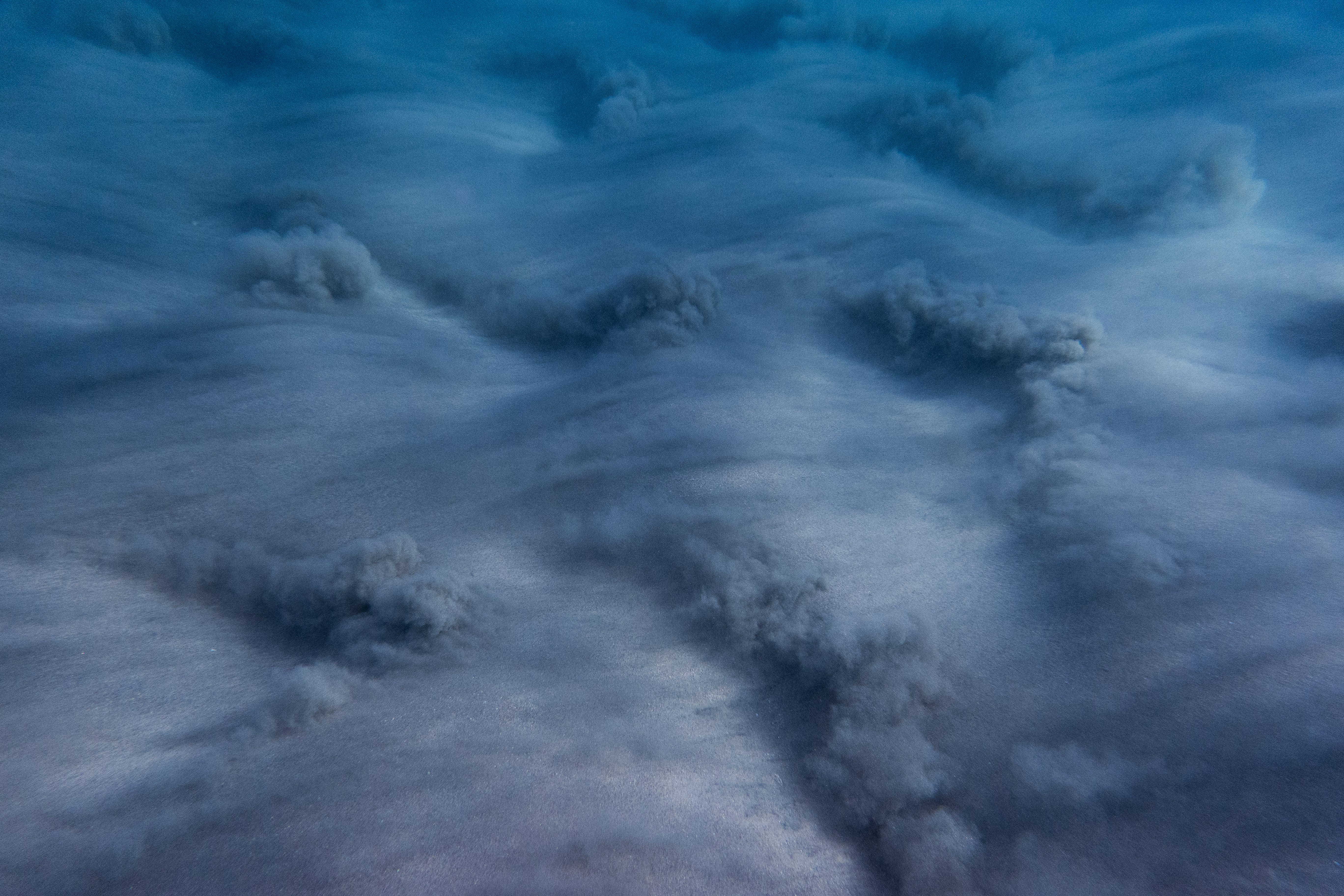
Photography is a weird art form. Everyone does it constantly, even monkeys do it. It is quite literally the construction of our modern human contextual world view. It allows us to draw from a deep visual library that we otherwise would have limited to our imagination. For reference compare this image to this one. But for the same reason the years I worked as a photojournalist started to color my mental state. I was surrounded by death and despair, so my inner world was dark. The visual memory database that fueled my nightmares was full of blood. I’m not complaining, I chose this. Thankfully at some point Meghan asked me very firmly to go to therapy to learn about my own ignorance. So I did, like so many people of my generation who were collectively pushed to unpack their shit in front of a professional.
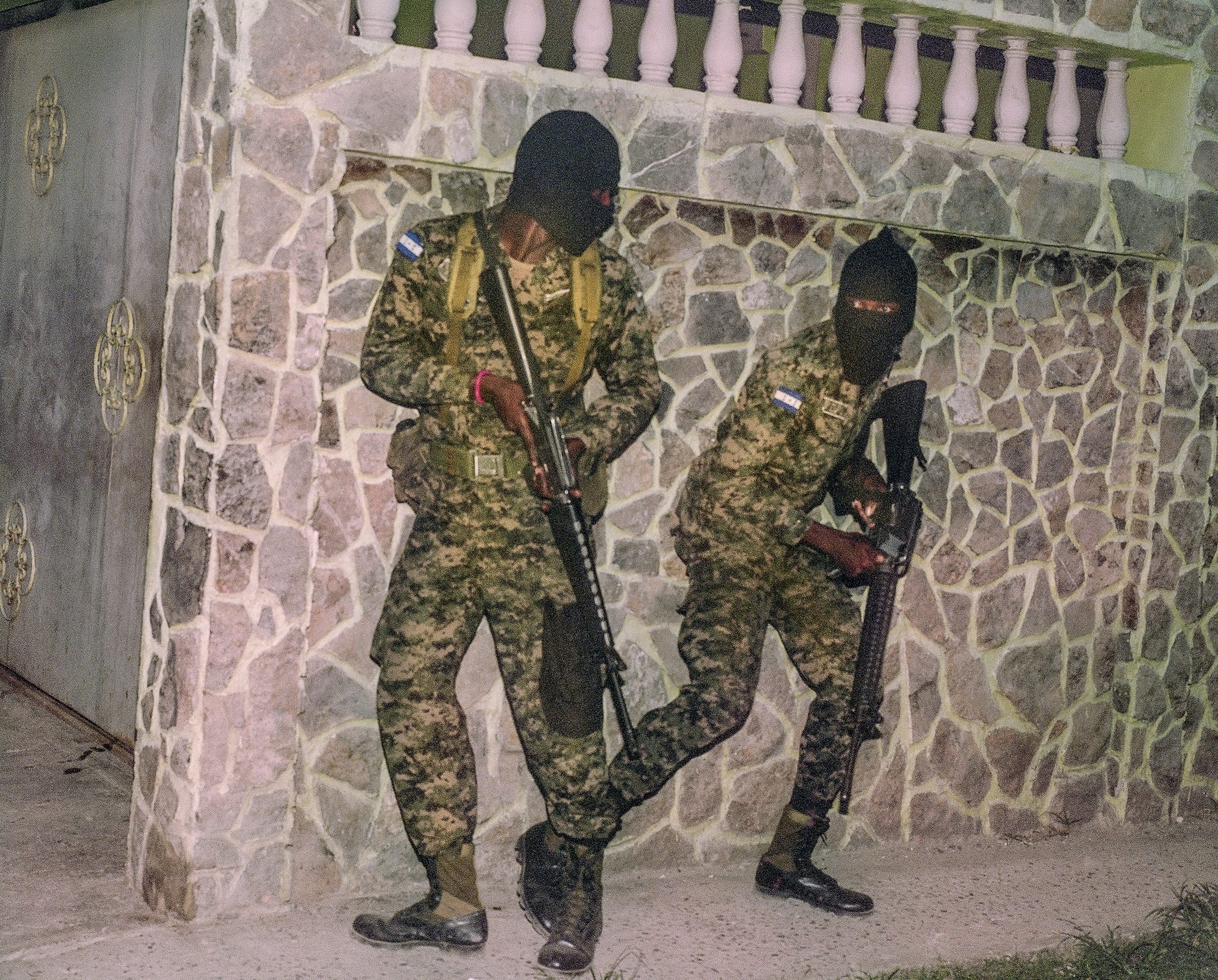
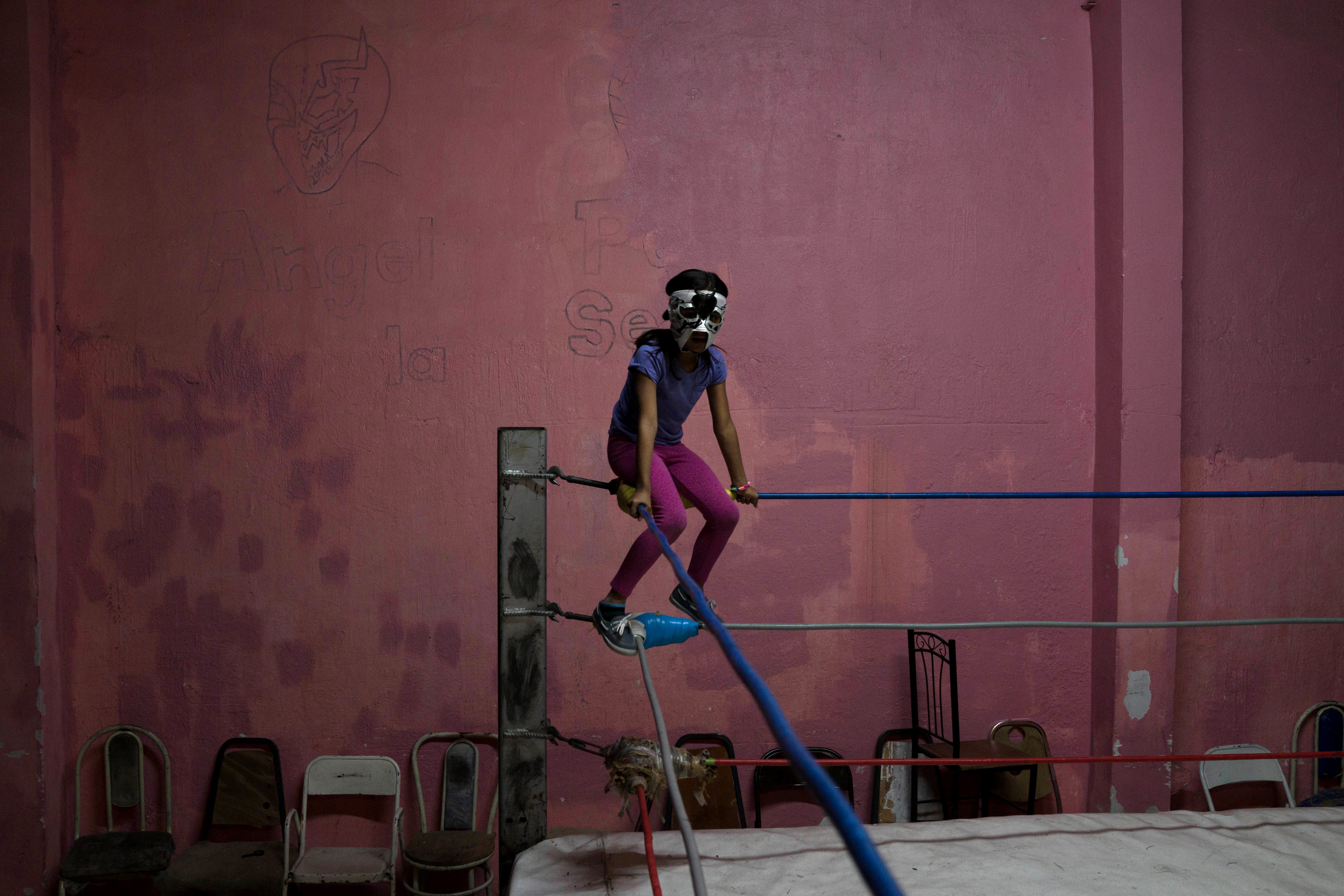
About ten years ago, PTSD symptoms got so bad that picking up my camera would trigger full-blown panic attacks. Which sucked, because photography was how I made money. On my first National Geographic assignment, I developed a ridiculous ritual just to get outside. I set my alarm for 4 a.m. by the door and blasted death metal. The shock forced me to grab my camera and leave before my brain could sabotage me. Sometimes I’d sit in my car watching a perfect scene unfold, completely frozen. I bought a bike and cruised all over Ciudad Juárez —one less barrier. One less door to open. Eventually, I asked Meghan to stay with me in the field. Her presence helped me finish assignments I otherwise couldn’t. Looking back though I am grateful for it all. Had I not needed to make living, I might have put the camera away for good.
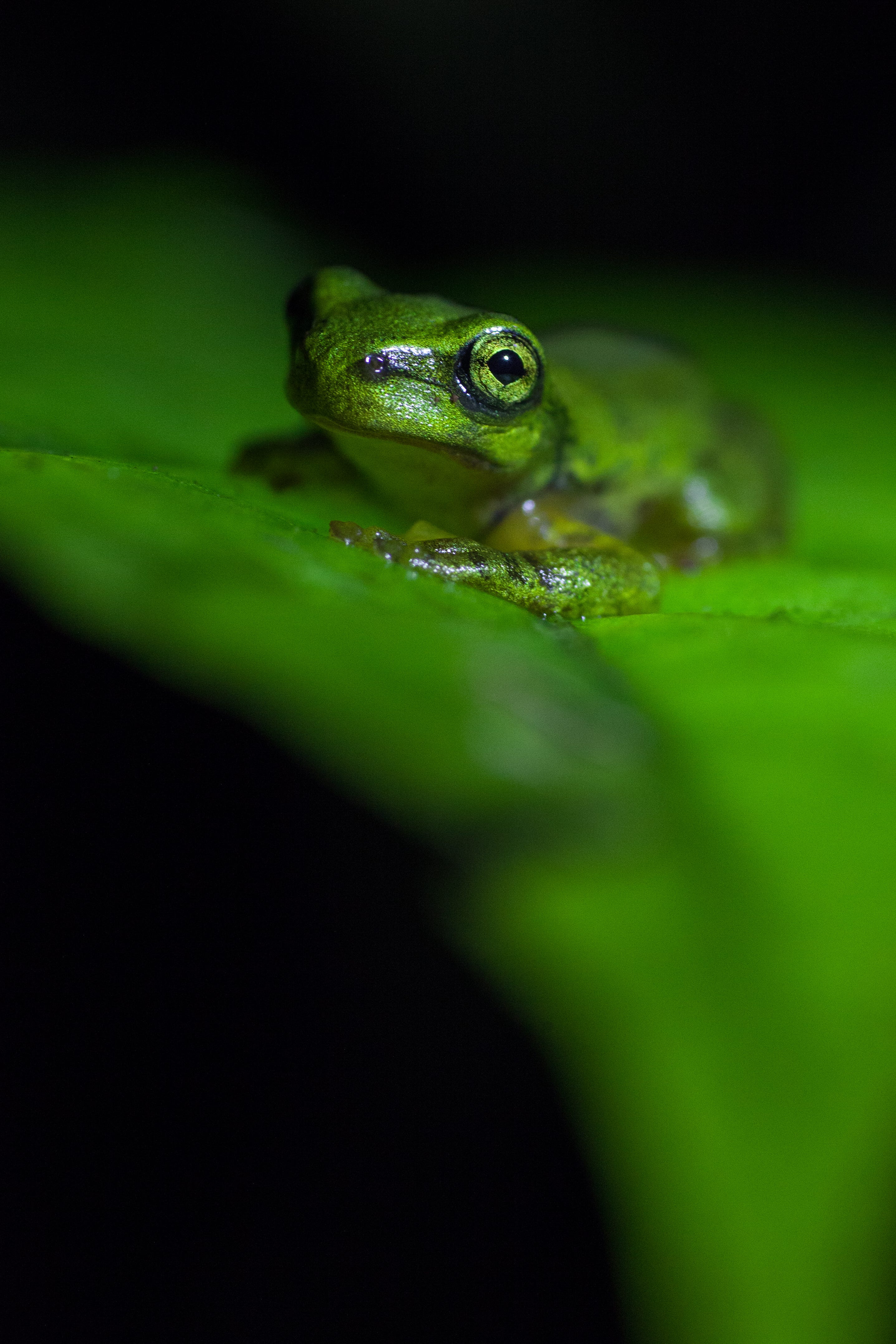
I started to decline assignments that destroyed my mental state, and instead focused on what brought me peace. Being in nature helped. One of my favorite projects was about the cloud forests of Veracruz—high-altitude forests hanging on since the ice age - endangered by climate change. Working there taught me how to shift my photographic practice into a slow meticulous meditation. For about a week I walked very slowly, mostly in silence, and made pictures of the plants and critters who live there on the same trail. This pulled me into the present moment in away I hadn’t experience before. I returned to Mexico City after the project, with a fever from a tic bite, and a new perspective on life.
Things happened out of order. Which, is how most things happen. Veracruz. The Colombian Amazon, where the writer left and I stayed behind. New Zealand. Shark fishing here where I live in Baja California Sur.
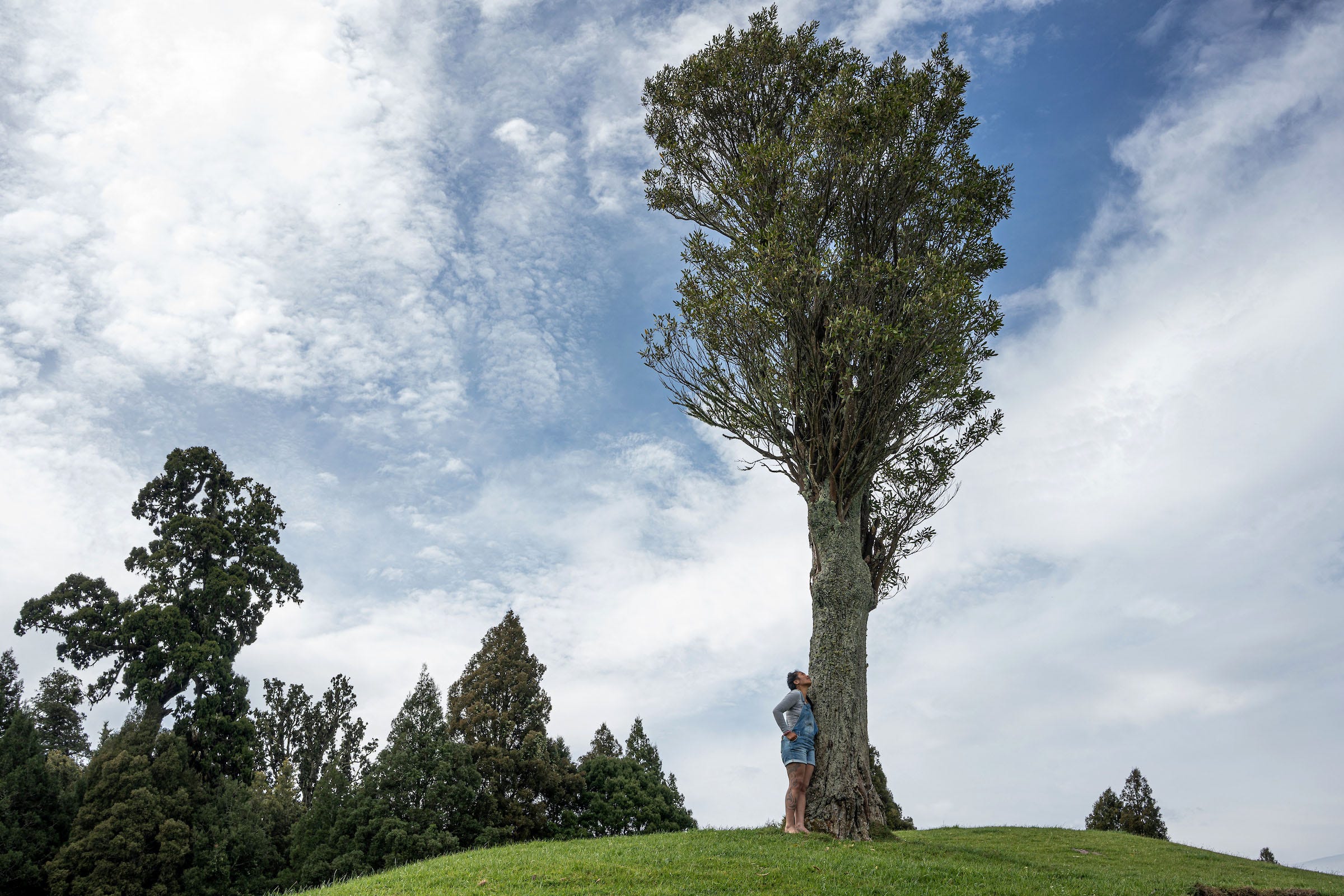
I went inward. Therapy helped—a lot, actually. When we moved to El Pescadero, I sold more tortas than photographs. Burnout and financial stress stacked up. I wondered if I had anything left to say. So I stopped trying to say anything. I just photographed what I found beautiful.
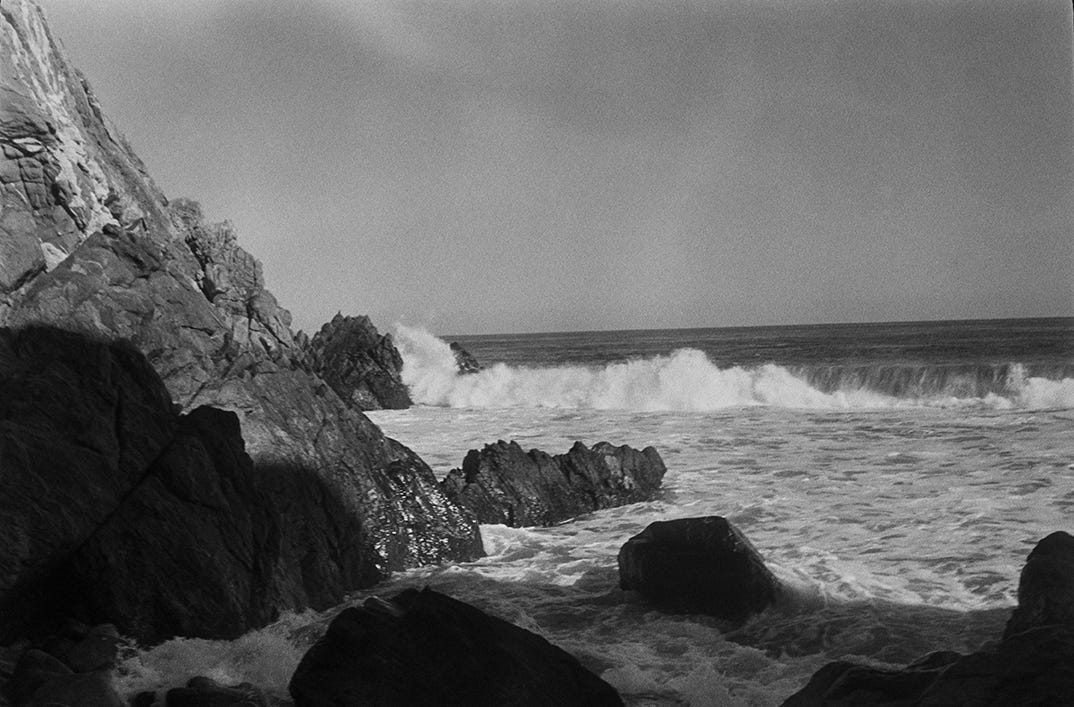
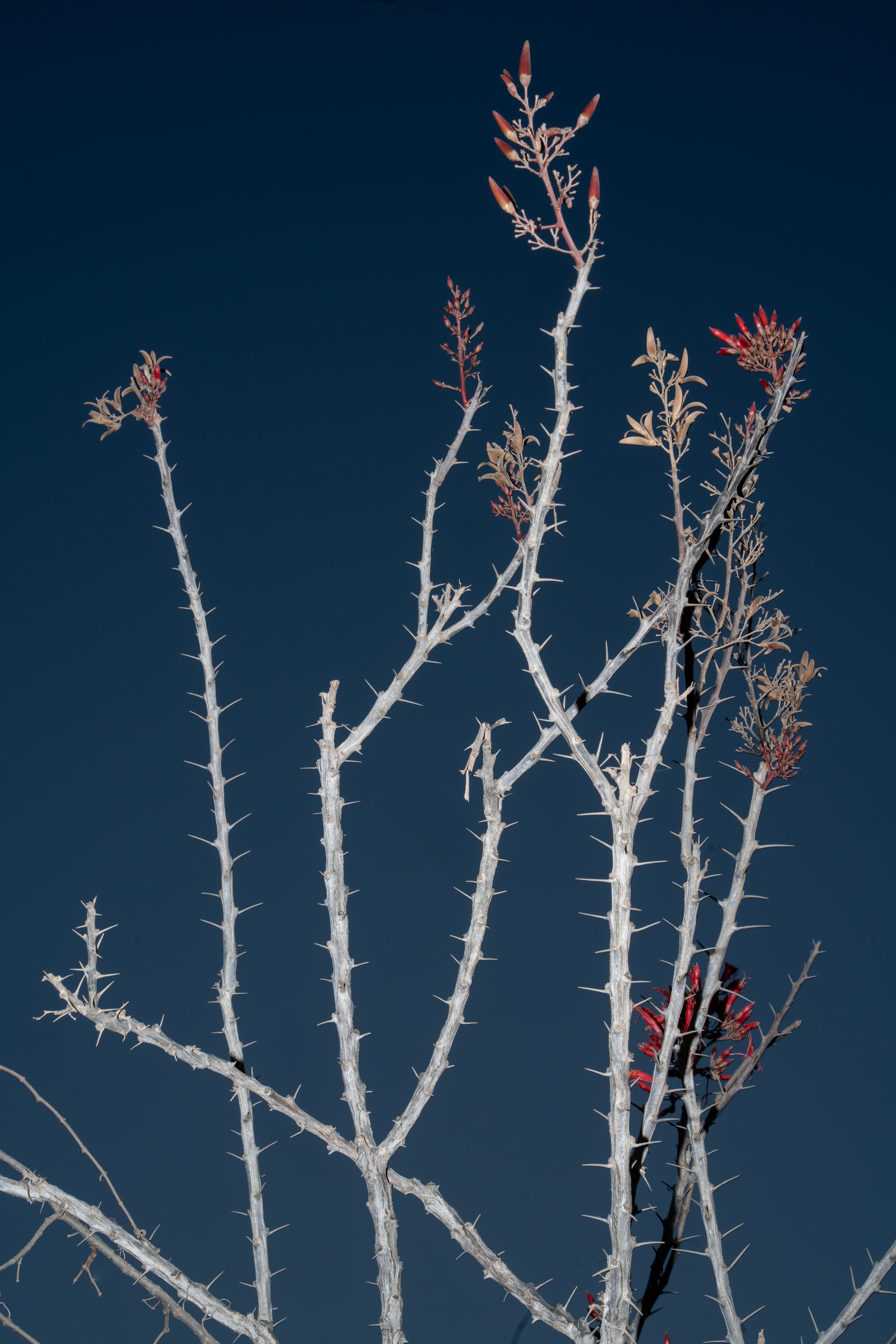
That shift mattered. Years of journalism had trained me to see what was broken. Its the mental equivalent of sifting through life looking at just the shitty parts. I started thinking about possible futures instead. Photographing the quiet helped ease the trauma I’d attached to my camera. Plants, it turns out, are fascinating. And while I still ask them permission when I take their picture, they rarely say no.
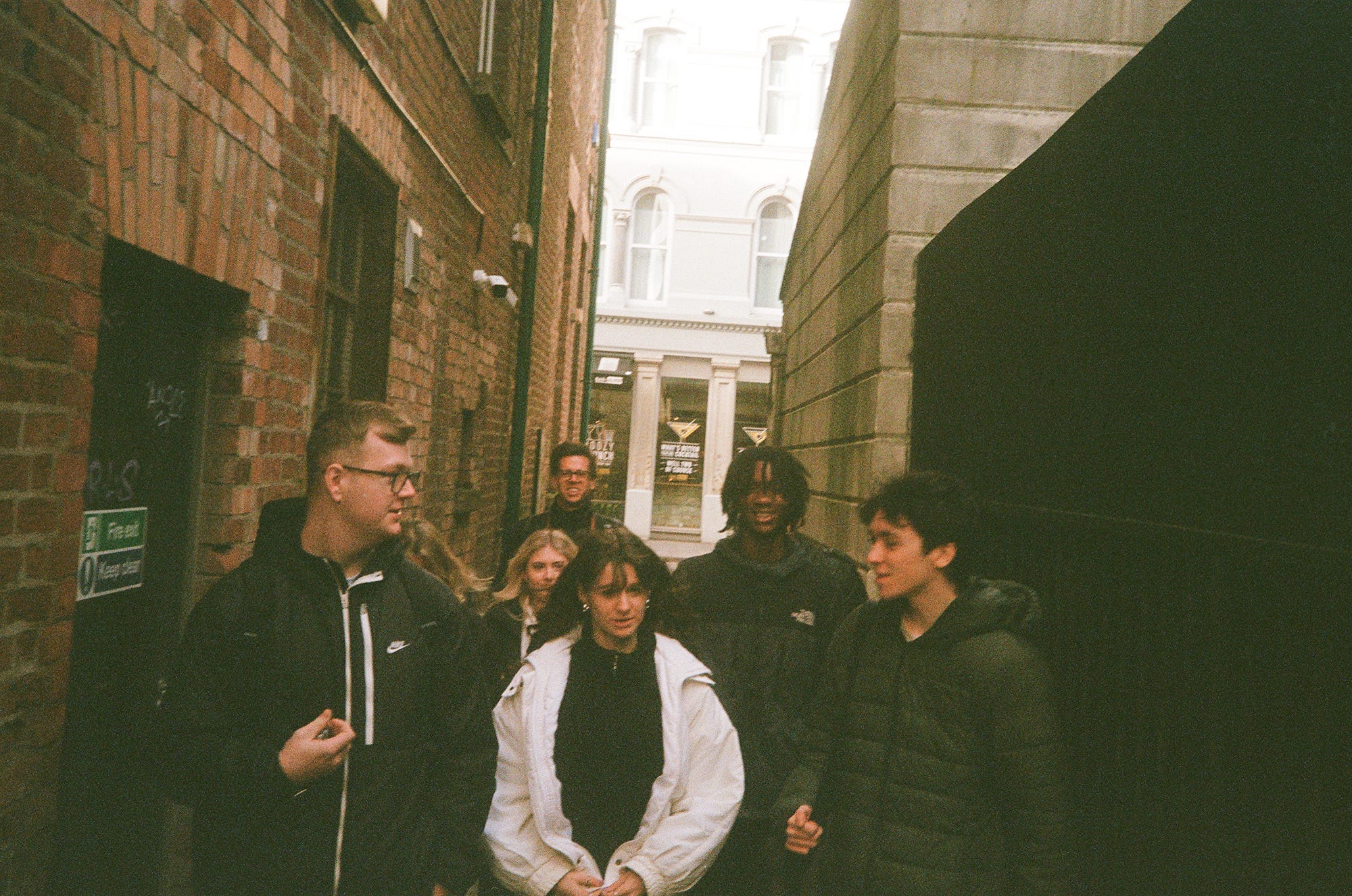
This year in Belfast, after a National Geographic Photo Camp, I loaded film into a tiny Olympus RC 35 a friend gave me in Ciudad Juárez years ago. For days, I walked around with my students, taking pictures. No pressure. Just walking. Engaging. Being outside. This shook something loose - and I started doing it more frequently at home. I have dozens of undeveloped rolls on my desk. The pictures are not the point. Getting outside is the reason to shoot.
In Belfast, I spent time with Mervyn Smyth and Samantha Robb of Belfast Exposed, who use photography as a mental health tool in their community. They introduced me to the idea of photography as a “transitional object”—a concept from psychoanalyst Donald Winnicott. Like a kid’s teddy bear. Something that helps you self-soothe while you figure things out. That’s the enduring power of the camera for me. It’s a transitional object—the thing I return to when my inner world falls apart. It helps me step back into the light. Most of the time, the pictures themselves don’t even matter.
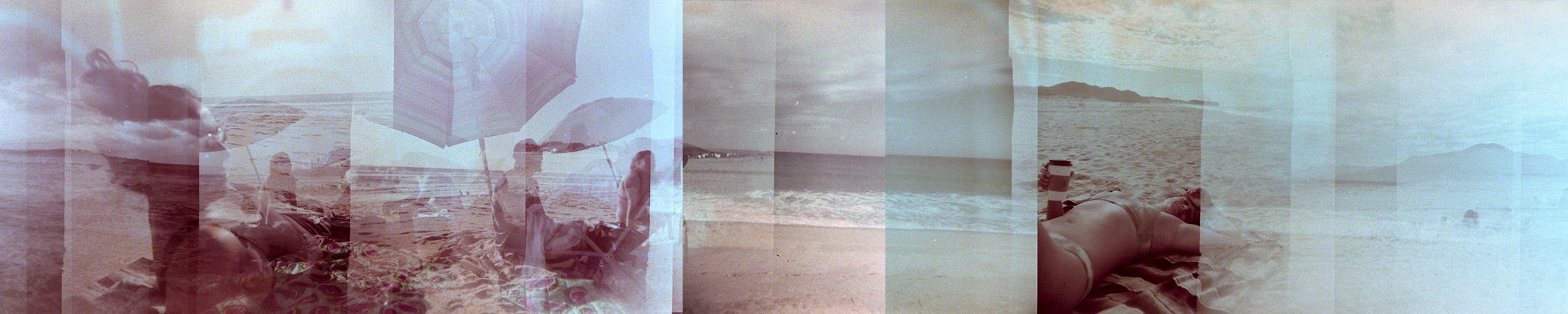
As I move through different stages of life, photography keeps me grounded—especially when things feel overwhelming.
Making good pictures is hard. Not because of light or composition. For me the hard part is getting out to shoot. A few things that help me get out the door: Pick one simple subject. Use one lens. Walk and shoot. Forget the rules.
Writers often talk about allowing yourself to make a shitty first draft. I try to use this same sentiment when I go out to make pictures now.
I’ve been doing this for twenty-five years. It’s still not easy. Shyness and agoraphobia come and go. I still struggle with new projects. Rejection feels inevitable. I hear it in my head before I ask: No, you can’t take my picture, you fucking weirdo. But sometimes, people say yes. And when they do, something opens.
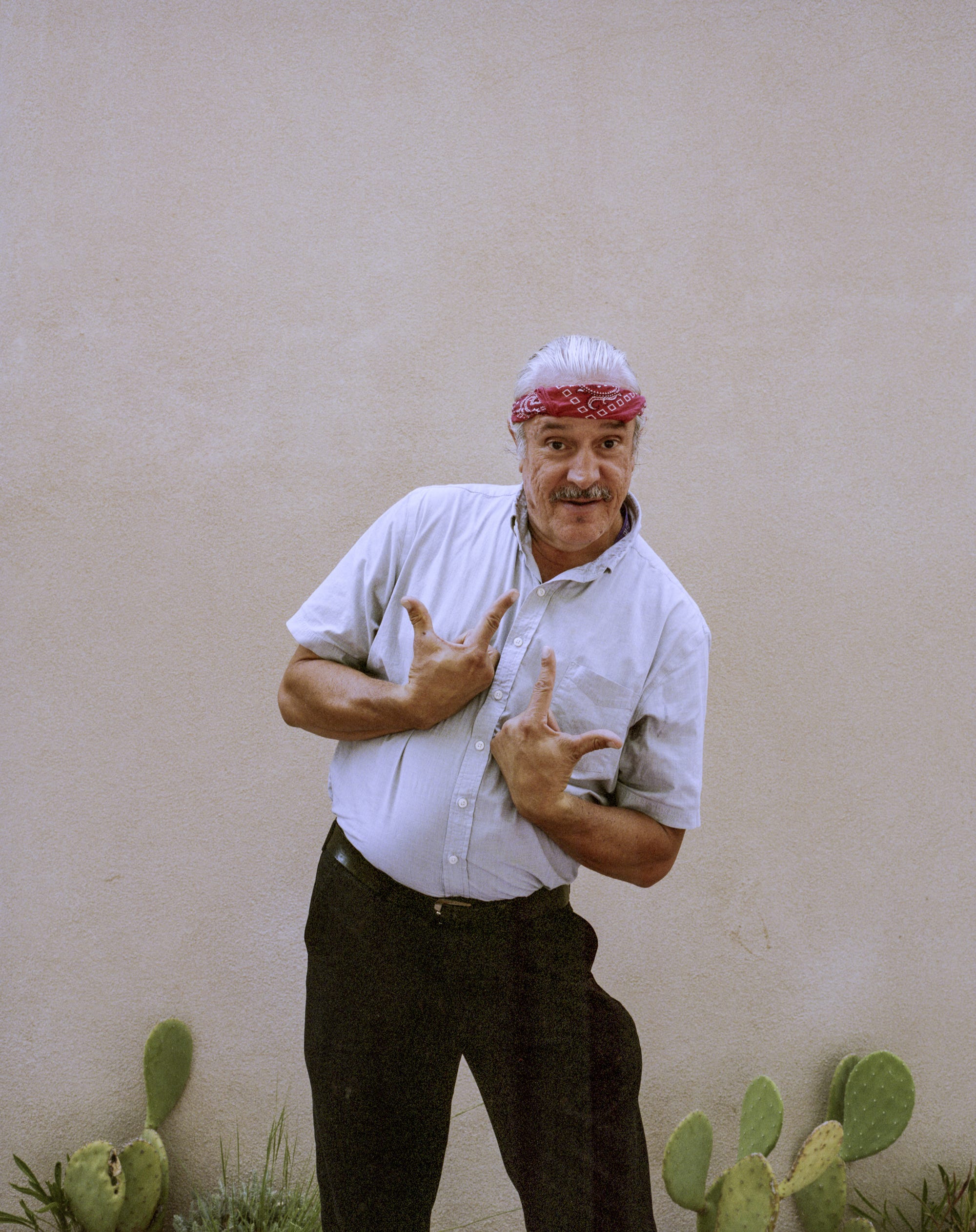
Once I’m shooting, my mind quiets. Time loosens. Even in chaos, the world slows down. (Which is why you gotta pay attention to your surroundings, once I was shot with a gas canister during a riot because I was too much in the zone.)
Lately, I’ve learned to touch that space without the camera. But it’s still there. Always has been.